
Introduction to Forex Trading
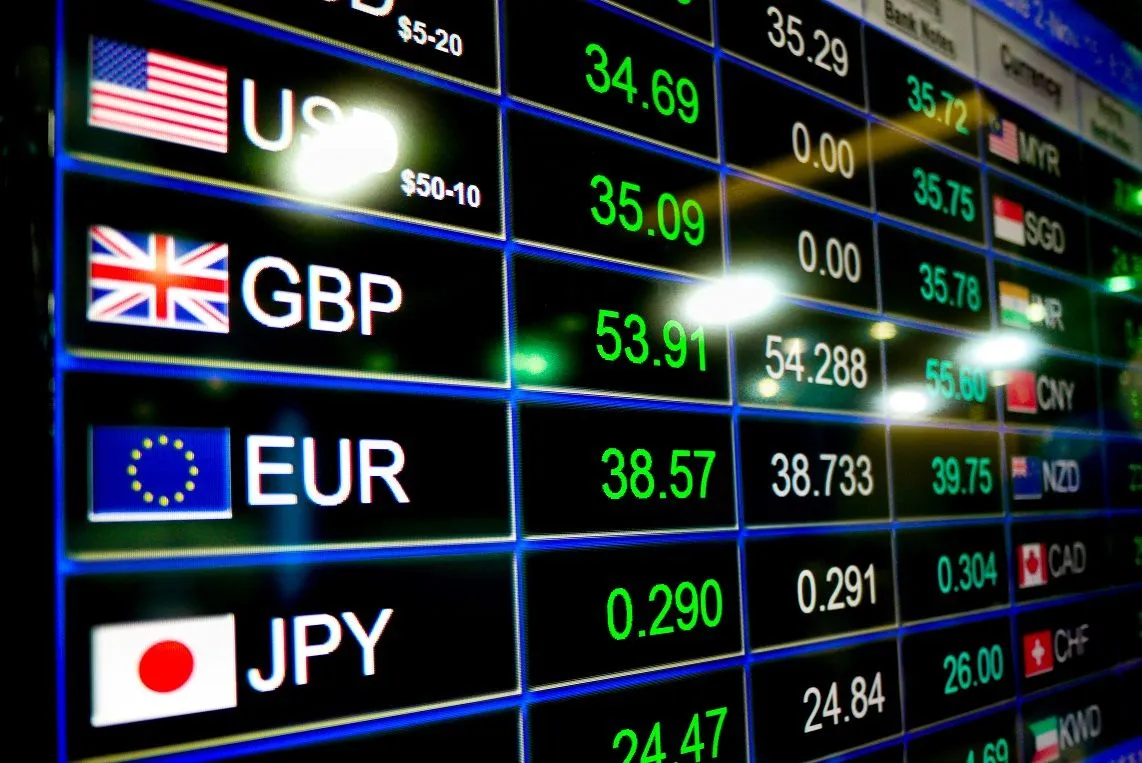
Welcome to the battlefield where currencies collide. This is not just trading. This is Forex — the largest and most liquid financial market on Earth. It's where nations whisper through exchange rates and institutions fight over microscopic spreads. And in this world, knowledge is leverage.
🌐 What is Forex Trading?
Forex (Foreign Exchange) trading is the act of buying one currency while simultaneously selling another. Unlike stocks, Forex operates 24 hours a day, across global financial centers — London, New York, Tokyo, Sydney — in an unrelenting cycle of volatility, speculation, and opportunity.
You’re not trading charts — you’re trading economies.
Currencies are priced in pairs:
- EUR/USD
- GBP/JPY
- USD/CAD
Each movement reflects macroeconomic tension, geopolitical reaction, or institutional bias.
⚙️ Who Trades Forex?
- Central Banks – Adjust interest rates, intervene to stabilize currencies
- Commercial Banks – Handle trillions in interbank transactions
- Hedge Funds & Prop Desks – Speculate with massive leverage and algorithms
- Corporates – Hedge international exposure
- Retail Traders – Access the market through brokers, trading on price speculation
Every pip shift you see is a byproduct of these players positioning, defending, or exiting.
💥 Why Forex? Edge Advantage
- High Liquidity: Trillions of volume daily = low slippage
- 24/5 Access: Trade when the world sleeps
- Leverage: Scale positions with margin (if used wisely)
- Tight Spreads: Especially in major pairs (EUR/USD, GBP/USD)
- Technical & Fundamental Playgrounds: Ideal for both day traders and macro thinkers
📈 Trading Styles in Forex
🔹 Scalping
- Seconds to minutes
- Rapid-fire entries & exits
- Requires spread efficiency and low-latency execution
🔹 Day Trading
- Intraday trends
- Use of technical indicators and price action
- Avoids overnight risk
🔹 Swing Trading
- Days to weeks
- Combines fundamentals + technical structure
- Perfect for capturing macro cycles
🔹 Position Trading
- Weeks to months
- Based on central bank policy shifts, GDP, employment, and inflation data
🧠 Core Skills for Forex Traders
- Technical Analysis: Candlestick patterns, structure, liquidity zones, and indicators
- Fundamental Analysis: Central bank decisions, economic reports, global news
- Risk Management: Leverage control, position sizing, stop-loss mastery
- Psychological Discipline: Patience, emotional neutrality, execution fidelity
- Backtesting & Strategy Development: Building, testing, refining
📊 Major Currency Pairs (Majors)
These dominate global flows:
- EUR/USD – Most traded pair; influenced by ECB & Fed
- GBP/USD – Brexit risk & UK data-sensitive
- USD/JPY – Yen acts as a safe haven
- USD/CHF – Often inversely related to EUR/USD
- AUD/USD & NZD/USD – Commodity currencies
🧭 The DNA of a Successful Forex Trader
- Market Awareness – Understand the big picture (not just price levels)
- Refined Strategy – Backtested, forward-tested, dynamically optimized
- Data-Driven Decisions – Bias guided by numbers, not noise
- Psychological Clarity – When to act. When to wait. When to cut losses.
- Execution Mastery – Fast, fearless, and focused
Products
Knowledge Hub
© NextBull 2025