
Long-Term Investment Strategies
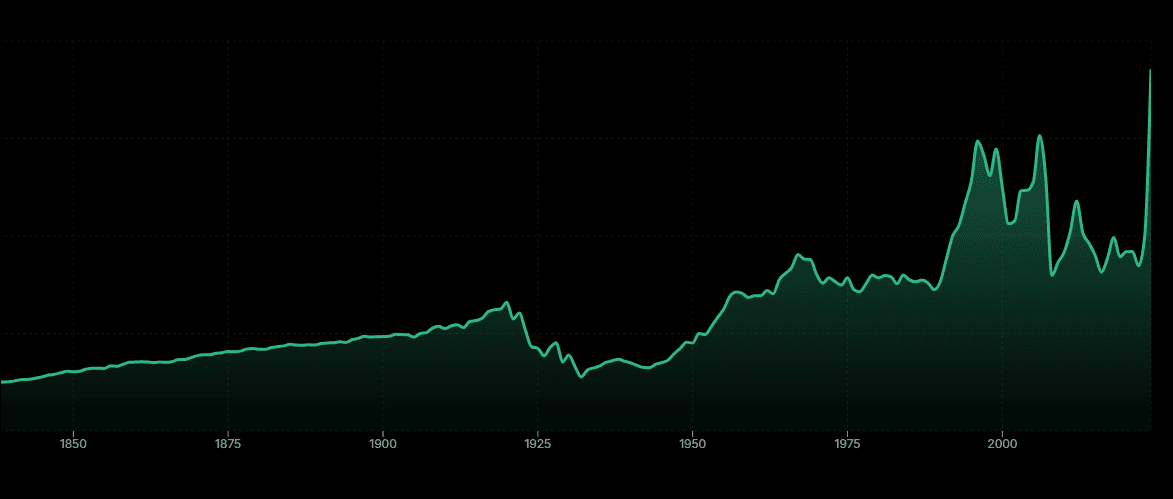
Long-term investing is the process of allocating capital to assets and holding them for a period of several years — typically five or more — with the goal of building wealth over time. It is not focused on daily price movements but on the long-term growth of value.
Why Long-Term Investing Works
- Power of Compounding: Gains are reinvested to generate additional gains. Over many years, this creates exponential growth.
- Reduced Volatility Risk: Short-term price fluctuations smooth out over time. Long-term investments tend to recover from temporary market corrections.
- Psychological Advantage: Long-term investors avoid the stress and impulsive behavior associated with frequent market monitoring.
- Lower Transaction Costs: Fewer trades mean less money spent on commissions, fees, and taxes.
Types of Long-Term Investment Strategies
1. Buy and Hold
- Focuses on acquiring quality assets and holding them through market cycles.
- Requires patience and confidence in the underlying fundamentals.
2. Value Investing
- Involves finding undervalued assets that are trading below their intrinsic value.
- Emphasizes strong financials, stable earnings, and competent management.
3. Growth Investing
- Targets companies or sectors with strong potential for above-average earnings growth.
- Typically used in innovative industries like technology, healthcare, or clean energy.
4. Index Investing
- Involves investing in a broad market index through funds or exchange-traded products.
- Provides instant diversification and is suitable for passive investors.
5. Dividend Investing
- Focuses on assets that regularly distribute a portion of profits to investors.
- Offers both capital appreciation and recurring income.
6. Systematic Investment Plans
- Fixed amounts are invested at regular intervals regardless of market conditions.
- Reduces timing risk and enforces financial discipline.
Key Principles to Follow
- Start Early: The longer the time horizon, the greater the compounding effect.
- Stay Consistent: Regular contributions create a strong foundation for long-term wealth.
- Diversify: Avoid concentrating too much in one sector or asset class.
- Be Patient: Markets go through cycles. Avoid reacting emotionally to short-term events.
- Stick to the Plan: Investing should be aligned with long-term goals, not short-term market news.
- Reinvest Returns: Always reinvest interest, dividends, and profits to accelerate growth.
Asset Classes Suitable for Long-Term Investing
- Equities (Stocks): Historically high long-term returns but higher short-term volatility.
- Mutual Funds or ETFs: Pooled instruments offering diversification and professional management.
- Government Bonds: Offer safety and stable returns but lower growth potential.
- Real Estate: Provides capital appreciation and potential rental income.
- Precious Metals: Used as a hedge against inflation and currency risk.
- Global Investments: Exposure to international markets and economies.
Common Mistakes to Avoid
- Focusing too much on daily price changes
- Making impulsive decisions during market volatility
- Lack of a clear investment objective
- Ignoring inflation and taxes in long-term planning
- Over-diversifying without purpose
- Trying to time the market instead of staying invested
How to Begin
- Set clear, measurable financial goals.
- Choose an investment strategy that suits your risk tolerance and time horizon.
- Start small but stay consistent.
- Educate yourself continuously.
- Monitor progress annually and make adjustments only when necessary.
Conclusion
Long-term investing is a disciplined, patient approach to wealth building. It’s based on time-tested principles rather than speculation. With the right mindset, a clear plan, and consistent effort, long-term investing can help secure financial freedom and stability over time.
Products
Knowledge Hub
© NextBull 2025